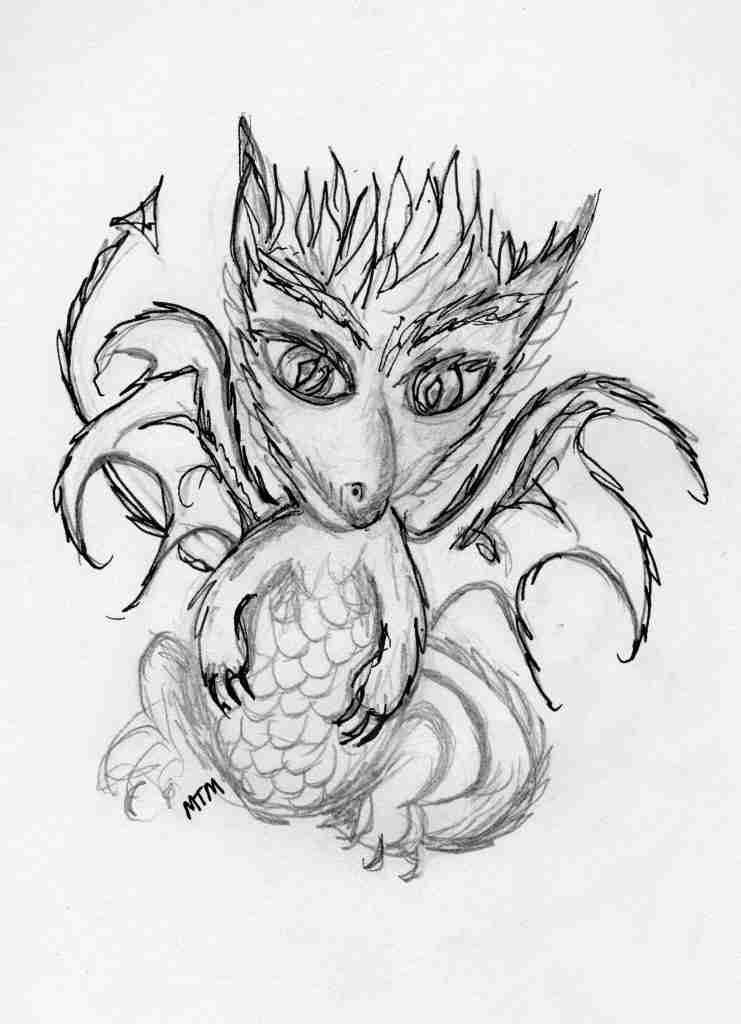
Good Dragon Vs Bad Dragon
Dragons are creatures of myth and legend interwoven throughout our literature. One of the things that has always puzzled me is why they are usually portrayed as bad or evil in modern literature. That
train of thought led me to want to create a series of books about the highly intelligent creature the Dragon, which was a force for balance and helped the world.
Would it really surprise you to know that prior to Christianity, the dragon was often thought of as being a kind, helpful and thoughtful creature? Christianity needed a symbol for ill-omen and evil, and
unfortunately, that fell on the dragon. Dragons were linked to the serpent from the Garden of Eden and everything it stood for. So suddenly, a ‘good’ creature is thrust into one that holds all of the sins of mankind. It now hoards and guards treasure and, of course, takes away the poor damsel! It is this
representation that has been immortalized and burnt into our brains by modern literature and media.
Imagine how dragons might have been perceived if this shift hadn’t occurred. In Eastern cultures, particularly in China, dragons are still revered as wise and powerful creatures. They symbolize the four elements, fire, earth, wind, and water, as well as the balance between light and dark, masculine and feminine, and the unity that harmonizes all forces. The Chinese Dragon, the fifth creature in the Chinese Zodiac, is a symbol of the Emperor, embodying masculine energy and representing fertility. 2024 is the year of the Dragon.
In medieval times, the symbol of the dragon eating its own tail held profound spiritual significance. It represented transmutation, the process of turning base metal into gold or embarking on a journey for spiritual enlightenment or perfection. This was achieved by combining the four elements to perfect the fifth element of spirit or essence. In alchemy, this was known as Uroboros, a symbol of eternal renewal and transformation. The circle created by Uroboros while consuming its tail was also seen as a representation of the eternal cycle of nature.
The Vikings used to put a dragon head on the bow of their boats to offer protection from the elements and their enemies. However, the most famous Norse Dragon, ‘Nidhogg’ or Dread Biter, symbolised evil by devouring all the corpses and gnawing relentlessly on the roots of the tree of life, Yggdrasil. Two sides are shown in one culture.
So what do you think? Are Dragons friendly spirits that sit on our shoulders and help us, or are they the snake in the garden that wants to lead us astray? I like to think that they represent both and can sit in the middle or fall to either side.
I thing you know my thoughts, I have always loved Dragons. I remember going on trips when I was younger and collecting little figurines as souvenirs—well, Dragons and crystals! Read more about me here on my Bio Page.
If you enjoyed this blog, then please spread the love and share it! I am always looking for inspiration for future blogs. Leave me a comment below about your thoughts on this one or what you would like to read about ?